
Space science
A celestial body you see was born from Earth in just a few hours.
A new supercomputer simulation based on known data about Earth, the Moon and the hypothetical planet Theia has revealed a shocking piece of Earth's history.
Browse ScienceInfo articles and explainers related to Celestial Body.
33 published items.
A new supercomputer simulation based on known data about Earth, the Moon and the hypothetical planet Theia has revealed a shocking piece of Earth's history.

The Earth's crust is composed of many pieces, constantly moving, cracking, sliding over each other... but the impact from the deep currents in the molten core does not s…

A giant and strange cosmic jellyfish was discovered by the Hubble space telescope, which according to NASA is the brilliant end of an old sun-like star.
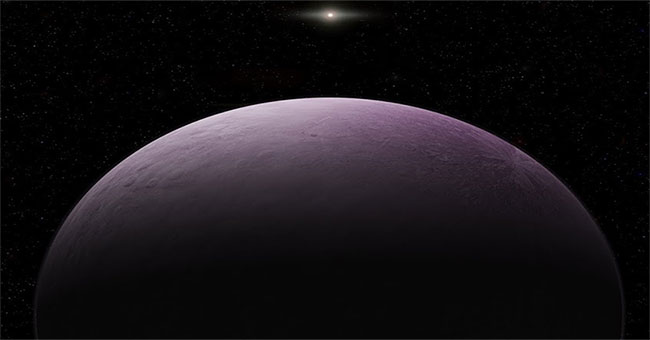
Astronomers announced the discovery of the farthest object in the solar system thanks to a telescope located in Mauna Kea, Hawaii, on December 17, according to Mashable.

The first decade of the 21st century has received outstanding scientific achievements, many of which have changed ...

Strong collisions with other celestial bodies or certain external influences can cause a planet to crumble.
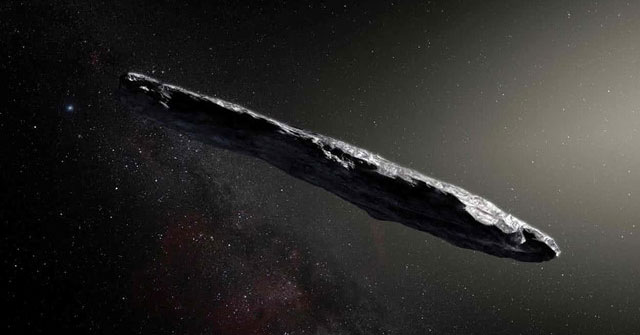
Scientists confirm that the mysterious object that passed by the Sun last month came from another solar system in the universe.
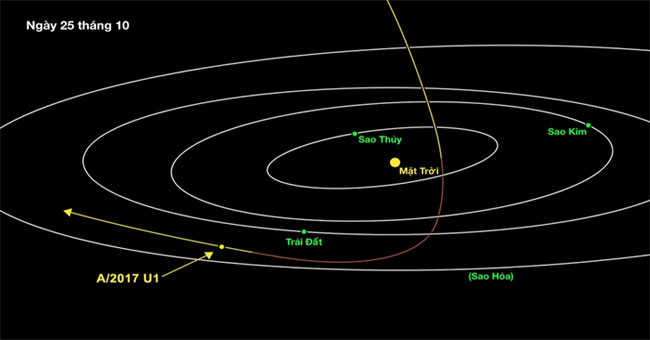
For decades, sky observers have been constantly searching for thousands of new celestial bodies, but they all have a starting point somewhere in the Solar System.

According to scientists, Jupiter's moon Io is the place with the most intense volcanic activity, but the surface of this celestial body is so cold that it can kill all l…
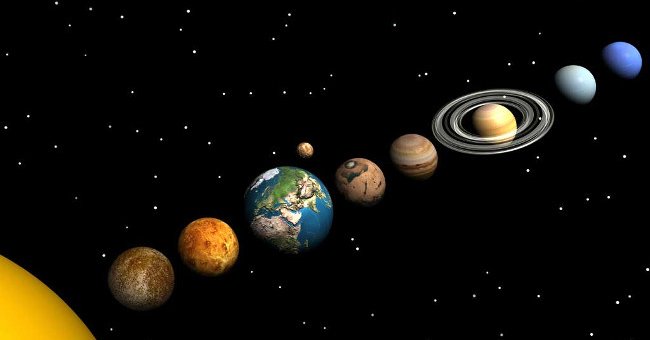
If crafting a spacecraft moving at light speed of 1,080 million km / h, humans could explore distant planets in the solar system in just minutes.

The object named K2-3d is 150 million light-years away from Earth and is likely to exist in life.

The object with a diameter of nearly 200 km named Niku (Rebel) moves in the opposite direction to other celestial bodies in the solar system.
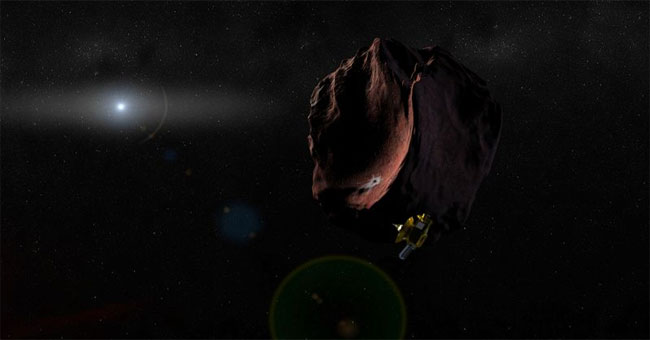
NASA's New Horizons probe is flying very fast towards a mysterious object named

A type of quasar called blazar is still a great mystery for scientists because of their difficult-to-explain light-emitting mechanism.
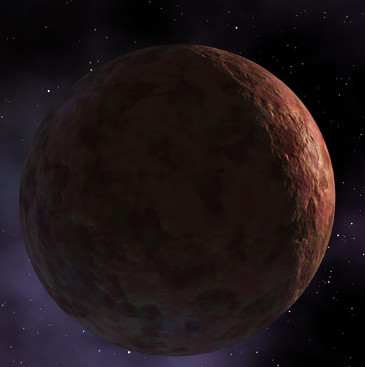
Astronomers discovered that the new dwarf planet is about half the size of Pluto in the furthest part of the solar system.